If you’re an aspiring entrepreneur looking to build a business, you’ve probably heard about Amazon FBA (Fulfillment by Amazon). Essentially, it allows you to leverage Amazon’s huge fulfillment infrastructure and customer base to scale up your e-commerce business.
Many folks wonder if they can realistically sell products successfully on the Amazon marketplace if they’re starting from scratch without any experience. It’s completely understandable to have doubts about whether you can pull it off when you hear about people doing hundreds of thousands or even millions in FBA sales.
The short answer is yes, you can absolutely succeed as an Amazon seller without any prior experience. Like any other business, you’ll have a learning curve. But by educating yourself, finding a solid mentor, and making smart preparations using the right tools and strategies, you can absolutely thrive with FBA.
FBACan I work as an Amazon FBA with no experience?
If I can do it without experience, trust me when I say anyone can! In this post, as an Amazon FBA expert, my goal is to give you a realistic overview of what it takes, key things every beginner should know, mistakes to avoid, and tips to set yourself up for FBA success without prior experience.
Let’s start by quickly understanding what Amazon FBA involves, so you know what you’re getting into.
Contents
- 1 Can I work as an Amazon FBA with no experience?
- 2 How the Amazon FBA Model Works
- 3 Key Skills You’ll Need (Even As A Beginner) For FBA Success
- 4 Getting Started With Amazon FBA Without Any Prior Experience
- 5 Crucial Mistakes To Avoid As A Beginner Amazon Seller
- 6 Smart Tips & Strategies To Set Yourself Up For FBA Success
- 7 FAQs:
- 7.1 Q1: How much does it cost to start selling on Amazon FBA?
- 7.2 Q2: What is the most profitable item to sell on Amazon FBA?
- 7.3 Q3: Can I run an Amazon FBA business while working full-time?
- 7.4 Q4: How do I choose the right product to sell on Amazon FBA?
- 7.5 Q5: Can I sell on Amazon FBA without my own brand?
- 7.6 Q6: How can I get Amazon to promote my listings higher?
- 8 Conclusion:
Can I work as an Amazon FBA with no experience?
I totally get the hesitation to dive into Amazon FBA with no experience! Connecting with an amazon virtual assistant who specializes in FBA support can guide you on the right startup steps. A knowledgeable Virtual assistant provides customized coaching for beginners on core skills like product research, sourcing, listings creation etc.
Leveraging this affordable help simplifies the initial learning curve drastically so lack of experience isn’t a barrier at all!
How the Amazon FBA Model Works
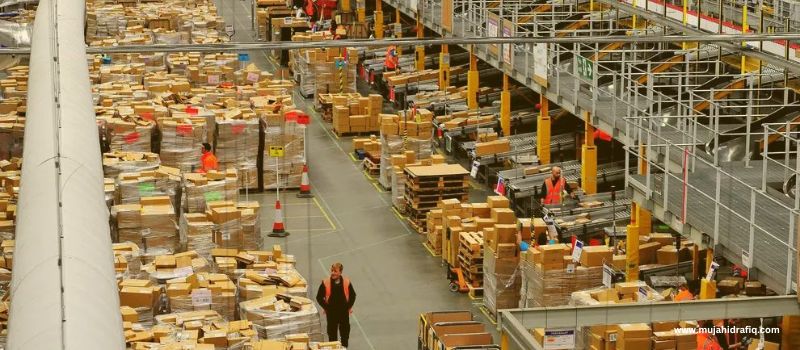
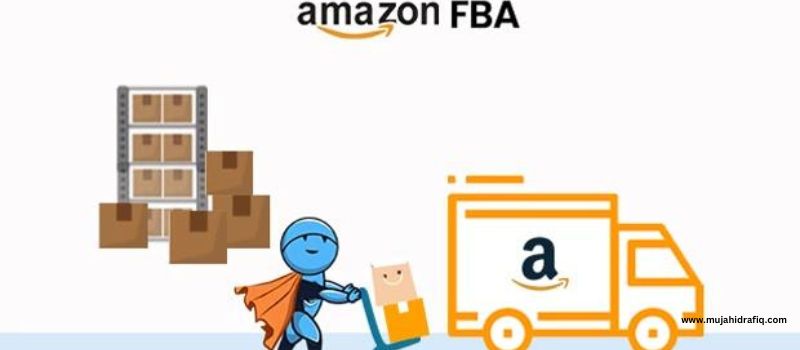
The core idea behind FBA is that Amazon handles key parts of the selling process on your behalf, so you can focus on scaling up your product catalog and sales. Once registered as an Amazon seller, you simply source, purchase and send your products to Amazon’s warehouses in bulk. This is known as “inventory fulfillment”.
Amazon stores this inventory for you and takes care of fulfilling customer orders as they come in. So when someone buys your product on Amazon, Amazon packs and ships the order out.
They also provide world-class customer service handling returns or issues. Meanwhile, you get to leverage access to Amazon’s over 350 million customers while focusing on things like finding new products, marketing, branding etc. Rather than operations and logistics.
This is the process flow in a nutshell:
- You source profitable products to sell based on your market research
- Purchase inventory in bulk from suppliers/manufacturers
- Send stock to Amazon (they receive and store it for you once checked in)
- Amazon fulfills orders automatically as you make sales
- Customers receive products with quick Prime shipping speed
- Amazon provides customer support, handles returns
- You get paid easy profits directly into your bank!
The upshot is FBA makes scaling your own brand/business faster than doing everything in-house. You let the world’s most sophisticated fulfillment operation take care of logistics while you grow the business by reinvesting profits.
Now that you know how it works at a basic level, what skills do you really need to make it work as a new seller without much experience?
Key Skills You’ll Need (Even As A Beginner) For FBA Success
While Amazon removes huge burdens through FBA, no business runs itself. There are crucial competencies beginners need for long-term FBA success:
Product Research Using Tools
Product research using analytics tools involves finding those winning products that will sell at high volumes and profits on Amazon. There’s some real art and science here. Tools like Helium10‘s Blackbox and JungleScout’s Product Tracker are extremely useful to gauge demand trends, analyze competition and estimate sales revenue.
Understanding Supply Chain and Manufacturers
You need just a basic grasp early on regarding how to reach out and evaluate suppliers or manufacturers that can provide your products reliably at wholesale rates. As you grow bigger, you’d ideally build a team handling supply chain.
Marketing, Branding and Advertising
Creating a recognizable brand and smart advertising via Amazon PPC/promotions is key especially when competing with established players. As your catalog expands to multiple products, providing a consistent branded experience becomes crucial.
Financial and Inventory Planning
You can’t successfully run an FBA business without planning for costs of goods, operational costs and having working capital to reinvest in growth. Basic inventory planning around demand forecasting, safety stock etc. prevents stockouts. Proper financial diligence is a must.
Analytics and Tracking for Insights
Understanding your numbers using analytics around cash flow, advertising costs, inventory performance etc. is vital. Analytics provides the actionable insights on optimizing processes for higher efficiency and sales.
Strong Customer Support
To drive great reviews and reduce returns, providing superb email/chat support builds long-term loyalty. Quickly resolving issues even with Amazon handling most customer service matters.
Now even as a novice seller starting out, you won’t need advanced skills in each area immediately. The goal initially is focusing on learning product research using Amazon data to find winning sellers. And starting off slowly with a small test product batch.
As you build experience and your FBA business grows, you simply acquire capabilities in other areas or outsource certain functions like advertising or supply chain. Let’s now cover some key steps total beginners can take to get started.
Getting Started With Amazon FBA Without Any Prior Experience
Beginning an exciting journey to build your own online business as an Amazon seller is simpler than it seems. No fancy qualifications or advanced skills needed right away.
Here are my top practical tips for people to get up and running fast with FBA:
Pick A Scalable Niche Using Product Research First
This is the critical foundation. Identify top selling sub-categories and dig into niche areas ideal for branding with solid longevity using Amazon’s publicly available data. Check demand trends over time. Analyze reviews and average sales for top products.
Tools like Helium10 and Jungle Scout make this research far easier. Once you’ve picked a niche, compile a shortlist of potential best sellers within it for testing.
Start Small To Minimize Risks
Order the minimum viable quantity from your supplier for 1 or 2 shorter-lifecycle products you shortlisted. Check if they sell as expected before increasing inventory or expanding catalog.
Until you validate sales traction for a test batch, don’t get overzealous and stockpile 100s in inventory! Too often first-timers rush to order excess units and find themselves stuck with expensive dead stock of slow-moving goods.
Learn Existing Processes And Tools
Explore available information on how to sell via FBA as a beginner using Amazon’s resources, online training courses like Amazing Selling Machine etc.
Leverage software tools that simplify key tasks – creating listings, inventory planning, sales analytics, accounting and taxation. Taking available help minimizes procedural hiccups.
Find An Experienced Mentor
A trusted Amazon fba expert who has been successfully selling on Amazon FBA can provide invaluable first-hand guidance as you navigate early challenges. Their tips and tricks borne from experience can short-circuit your learning journey tremendously.
Online communities for FBA sellers are a great way to find mentors – sub-Reddits like r/fulfillmentbyamazon, Facebook groups like Amazon FBA Rockstars etc. Having someone more experienced guide you reduces costly rookie mistakes.
Now that we’ve covered the starter steps to get going, what’re some big errors every new FBA seller should avoid?
Crucial Mistakes To Avoid As A Beginner Amazon Seller
While minor slip ups will inevitably happen initially, you want to steer clear of fundamental issues that could tank your FBA dreams and bank balance from the very beginning!
Here are the biggest mistakes total newbies should be careful to avoid:
No Contingency Funds For Operating Expenses
Many first-timers are overly optimistic on profit projections. They reinvest everything to buy more inventory without accounting for operational costs correctly. Not budgeting for advertising, software tools, legal and return expenses leads to cash crunches later.
Copying Existing Product Listings
Outright copying other sellers’ listings or hijacking listings to sell under is an easy way to get permanently banned by Amazon. Besides legal issues, substantially similar listings also dilute your product differentiation. Don’t take shortcuts here – create unique listings from scratch.
Assuming Amazon Fees Remain Static
Amazon subscription charges, referral rates and FBA fees per unit fluctuate regularly. Not accounting for rising costs means hitting break-even gets delayed. Buffer at least 10% over the published rates while planning finances.
Selling Restricted Products Like Fakes
Stay far away from restricted categories like counterfeit luxury goods or supplement formulas banned by the FDA. Selling fakes or hazardous items in naive ignorance can lead to store shutting down and legal nightmares. Stick to compliance at all times.
Being aware of these major pitfalls alone will already set you way ahead of most starting sellers making expensive blunders early!
Smart Tips & Strategies To Set Yourself Up For FBA Success
Now that you know what to avoid, here are some pro tips worth incorporating right from the beginning:
Tip #1 – Leverage analytics tools for picking best sellers: Tools like Jungle Scout’s Product Tracker analyze market data to identify top ranking items based on actual demand within your chosen niche. As an Amazon fba expert go for consistent strong sellers instead of fads.
Tip #2 – Obsess over product quality and reviews: High star ratings and positive verbatim feedback is prime real estate for conversion. Ensure flawless quality control while sourcing products so customers rave during reviews. This builds a viral flywheel effect long-term.
Tip #3 – Reinvest profits strategically to widen reach: Avoid overstocking single products. Diversify your catalog across related niches once revenue streams stabilize. Cross-selling across a wider product base leverages existing audience while allowing risk mitigation.
Tip #4 – Stay updated on Amazon search algorithm changes: Amazon regularly updates on-page SEO and catalog ranking factors. Following niche community discussions on latest changes allows you to tweak listings and marketing for maximum visibility. These optimizations keep sales momentum strong.
The right information, avoiding mistakes and smart strategies sets you firmly on the path for FBA greatness even as someone just starting out!
FAQs:
Q1: How much does it cost to start selling on Amazon FBA?
The costs vary, but plan for $1,000 – $5,000 to begin selling one product line on Amazon FBA. This covers product sampling, inventory, shipping, software tools, advertising and contingency funds.
Q2: What is the most profitable item to sell on Amazon FBA?
Small consumer electronics, niche hobby goods, creative arts supplies, books, kitchenware and automotive accessories have proven highly profitable for FBA sellers historically.
Q3: Can I run an Amazon FBA business while working full-time?
Yes, countless sellers start out that way. Use evenings & weekends to learn selling processes, source suppliers and evaluate product demand trends before taking the full-time plunge.
Q4: How do I choose the right product to sell on Amazon FBA?
Use data tools to research categories matching your interests and experience. Analyze demand, competition and ease of sourcing for top sub-niches before selecting products with attractive sales volume and margins.
Q5: Can I sell on Amazon FBA without my own brand?
Absolutely, you can retail third-party goods successfully for years before needing to launch private labels, if you focus on hot selling evergreens with steady replenishment opportunities.
Q6: How can I get Amazon to promote my listings higher?
Boosting search visibility long-term involves positive reviews and conversion metrics. Use promotions and advertising selectively when launching new products to indicate relevancy.
Conclusion:
As an Amazon fba expert I can totally understand apprehension about diving into something new like Amazon FBA selling without prior experience. The idea of sourcing goods globally, managing intricate operations at scale and decoding Amazon’s intricacies seems intimidating.
But tens of thousands of first generation sellers are crushing it on Amazon right now purely by educating themselves and avoiding common pitfalls using the right approach. Ultimately passion, preparedness through continuous learning and perseverance in applying lessons are what set successful FBA entrepreneurs apart.
You absolutely can replicate their journeys step-by-step if you’re motivated and learn the terrain. My personal tip is avoiding ‘analysis paralysis’ i.e overthinking and never starting. As long as you temper optimism by planning for sustainability using honest budgets and forecasts – taking action immediately gives you an invaluable edge through hands-on experience quickly.
You now know everything it takes to get started right to potentially build a freedom-enabling FBA business that pays you in your sleep! I hope the realistic overview on startup steps to leverage FBA without prior experience here clears all doubts. You got this!
Click Here to Sign Up For My Free “24 Hour Fast Start FBA Guide” To Begin Your First Product Test Batch
Read More: