
Social media platforms like Facebook, Instagram, and Snapchat allow you to connect with friends, share updates, and interact with each other. They are centered around building social connections and networking.
TikTok, on the other hand, is focused primarily on entertainment through short videos. So does this make it less of a social media app, and more of a video sharing platform? There are arguments on both sides. Let’s take a closer look at: Is it true that Tik Tok is not considered social media? what defines social media, TikTok’s features, and where it fits in.
Contents
- 1 Is it true that Tik Tok is not considered social media?
- 2 What is TikTok?
- 3 What Defines Social Media?
- 4 Does TikTok Offer Social Media Capabilities?
- 5 Key Differences From Classical Social Media
- 6 Is TikTok More of an Entertainment Platform?
- 7 TikTok’s Marketing and Ecommerce Potential
- 8 The Verdict: A Hybrid Platform
- 9 FAQs:
- 10 Conclusion
TikTok is not a classical social media platform like Facebook or Twitter, focused on building long-term social connections and networks. While TikTok does have some social features like profiles, commenting, and following other users, its primary purpose is entertainment through short viral videos recommended by algorithms.
The interactions tend to be more ephemeral and centered around content rather than deep conversations. So while TikTok facilitates some social interaction, its main focus on short video entertainment makes it more of a hybrid platform than a pure social networking site.

What is TikTok?
For those unfamiliar, TikTok is a mobile app that allows users to create and share short videos up to 60 seconds long. It first launched in 2016 under the name Douyin in China, before expanding globally as TikTok the following year. It’s owned by the Chinese tech company ByteDance.
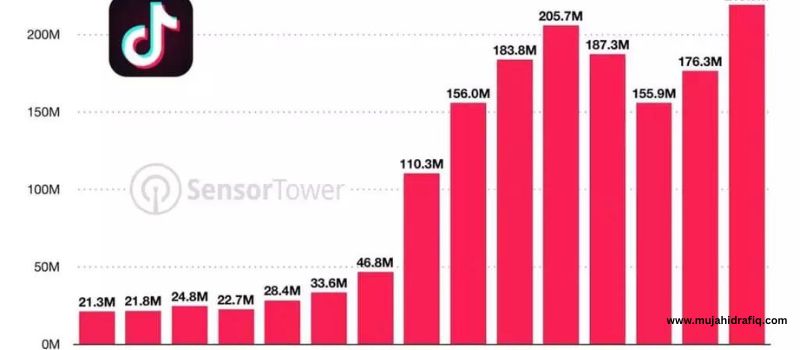
TikTok really took off in popularity over the past few years. It now has over 1 billion monthly active users worldwide, making it one of the most downloaded and used apps.
A few things set TikTok apart from other social/video apps:
- Ultra-short videos: Restricted to 15 or 60 seconds. Forces creativity.
- Powerful creation tools: Filters, effects, text, sound mixing. Makes it easy to make quality videos.
- Algorithmic feed: Videos are recommended based on interests, not social connections. Helps discovery.
- Virality focus: Everything from hashtags to sounds encourages participating in viral trends.
TikTok is all about creating and watching fun short videos. But does its focus on entertainment over socializing make it less of a social media app? Let’s analyze it further.
What Defines Social Media?
Social media platforms generally share a few key traits that set them apart from other sites and apps:
- Profiles: A webpage/space to share info about yourself and your content.
- Content sharing: Posting photos, videos, text updates, etc.
- Connections: Friending/following other users, building networks.
- Interactions: Commenting, tagging, sharing, collaborating on others’ content.
- Communities: Creating communities and niche interest groups among users.
These features facilitate networking, sharing, conversations and creating/joining online communities. Traditional social networks like Facebook and Twitter excel in these areas.

Does TikTok Offer Social Media Capabilities?
TikTok actually does have many of the features we associate with social media:
- Profiles: Every user has a profile displaying their videos, likes, follows, etc.
- Sharing user-generated content: The core focus is sharing personal short videos.
- Following: You can follow other users and have followers yourself.
- Interactions: Commenting, duetting, stitching, and liking others’ videos.
- Niche communities: Hashtags help creators find their audience communities.
So in many ways, TikTok does facilitate connections and conversations around user content like a social network.
However, there are some key differences in how its features are geared towards entertainment over traditional socializing.
Key Differences From Classical Social Media
Despite having profiles, sharing, and followers like social networks, TikTok diverges in some important ways:
- Feed algorithm vs chronological: Your feed is based on interests, not your connections. More solitary entertainment.
- Emphasis on viral content: Everything from hashtags to sounds pushes short-form viral video entertainment over conversations.
- Less personal content: Fewer status updates or personal photos shared. More memes and trends.
- Ephemeral interactions: Comments and likes are public but often ephemeral and around viral content.
So while TikTok has adopted some familiar social media trappings, the core experience revolves around entertaining short videos. Engagement between connections is far less emphasized than on traditional social networking sites.
Is TikTok More of an Entertainment Platform?
Given its differences, TikTok is better characterized as an entertainment platform centered around short videos. Here’s why:
- Consuming and creating viral videos is the main activity. Most usage is passive entertainment or participating in trends.
- Algorithms dictate the experience, not social connections. You’re being entertained more than networking.
- Interactions tend to be lightweight and ephemeral, not sustained conversations. Quick consumption.
- Less focus on personal content or status updates. What you share is public, but centered around entertainment.
Unlike social networking, TikTok isn’t really about keeping up with friends’ lives or having two-way interactions. The ultimate goal is to be entertained and create entertaining content.

TikTok’s Marketing and Ecommerce Potential
However, social media and entertainment aren’t mutually exclusive. And TikTok’s huge engaged userbase makes it appealing for brands:
- Massive reach, especially among younger demographics. Over 20 million daily active users in the US alone.
- Viral video content is perfect for innovative and entertaining branded content.
- Built-in ecommerce features let brands turn content into shopping.
So even if it’s not a classical social network, TikTok offers major marketing and sales potential for businesses.
The Verdict: A Hybrid Platform
TikTok defies easy classification. While it’s adopted some standard social media features like profiles, content sharing, and a follow model, its core focus on entertaining short videos makes it more of a video entertainment platform.
However, there are social elements that distinguish it from pure entertainment like YouTube. TikTok is heavily participatory, enabling online connections and niche communities around sharing user-generated short videos.
So TikTok seems to sit in a grey area between social media and entertainment. It has aspects of both, but isn’t a classical exemplar of either. This hybrid model combining entertainment and some social interaction is part of what makes TikTok unique.
Going forward, TikTok may evolve to feel more social by enhancing conversations or connections between users. But for now, its priority will likely remain ultra-short videos and viral entertainment.
FAQs:
No, legally TikTok is classified as a entertainment and creative platform, not a social networking site.
Does TikTok have more users than Instagram?
Yes, as of 2022 TikTok officially surpassed 1 billion monthly active users, more than Instagram’s estimated userbase.
Can you make money on TikTok?
Yes, TikTok has monetization features like tipping, ecommerce, and its Creator Fund that let creators earn money.
Is TikTok safe for kids?
TikTok requires users to be 13+, but parental controls and privacy settings can help make it safer for younger teens.
What’s better for businesses: TikTok or Instagram?
TikTok’s viral videos tend to gain more organic reach, but Instagram offers tools for sales and branding too. Both have value.
Can you get famous fast on TikTok?
Going viral on TikTok is possible, but building a sustaining audience requires consistently producing engaging content.
Conclusion
TikTok blends aspects of social media and entertainment in a unique way – users connect by following profiles, liking, and commenting, but the primary activity is creating and watching viral short videos dictated by algorithms rather than social connections.
This ephemeral, video-centric entertainment focus differentiated TikTok from classical social networking sites, though it retains some social elements. Essentially, TikTok occupies a gray area between traditional social media prioritizing networking.
And pure entertainment platforms; this novel hybrid approach combining entertainment. Also some social interaction explains TikTok’s explosive growth and marketing potential despite not being a standard social media app.
Try TikTok’s Unique Brand of Entertainment and Social Interaction!
Read more: